
METALLIC STERATES
Metallic stearates are metal salts derived from stearic acid, produced by reacting the acid with metal oxides or chlorides. They function as a multifunctional additive in the plastic and rubber industries, primarily serving as lubricants and acid scavengers. Beyond lubrication and acid neutralization, metallic stearates play a broader role in enhancing overall polymer performance and processing efficiency. They improve melt flow by reducing internal friction within the polymer matrix, allowing smoother extrusion and molding operations. Acting as effective release agents, they prevent material from sticking to molds and processing equipment, thereby reducing downtime and maintenance. Metallic stearates also promote better filler dispersion, ensuring uniform distribution of calcium carbonate and other additives throughout the compound. In heat-sensitive polymers such as PVC, they contribute to thermal stabilization, protecting the material from degradation during high-temperature processing.
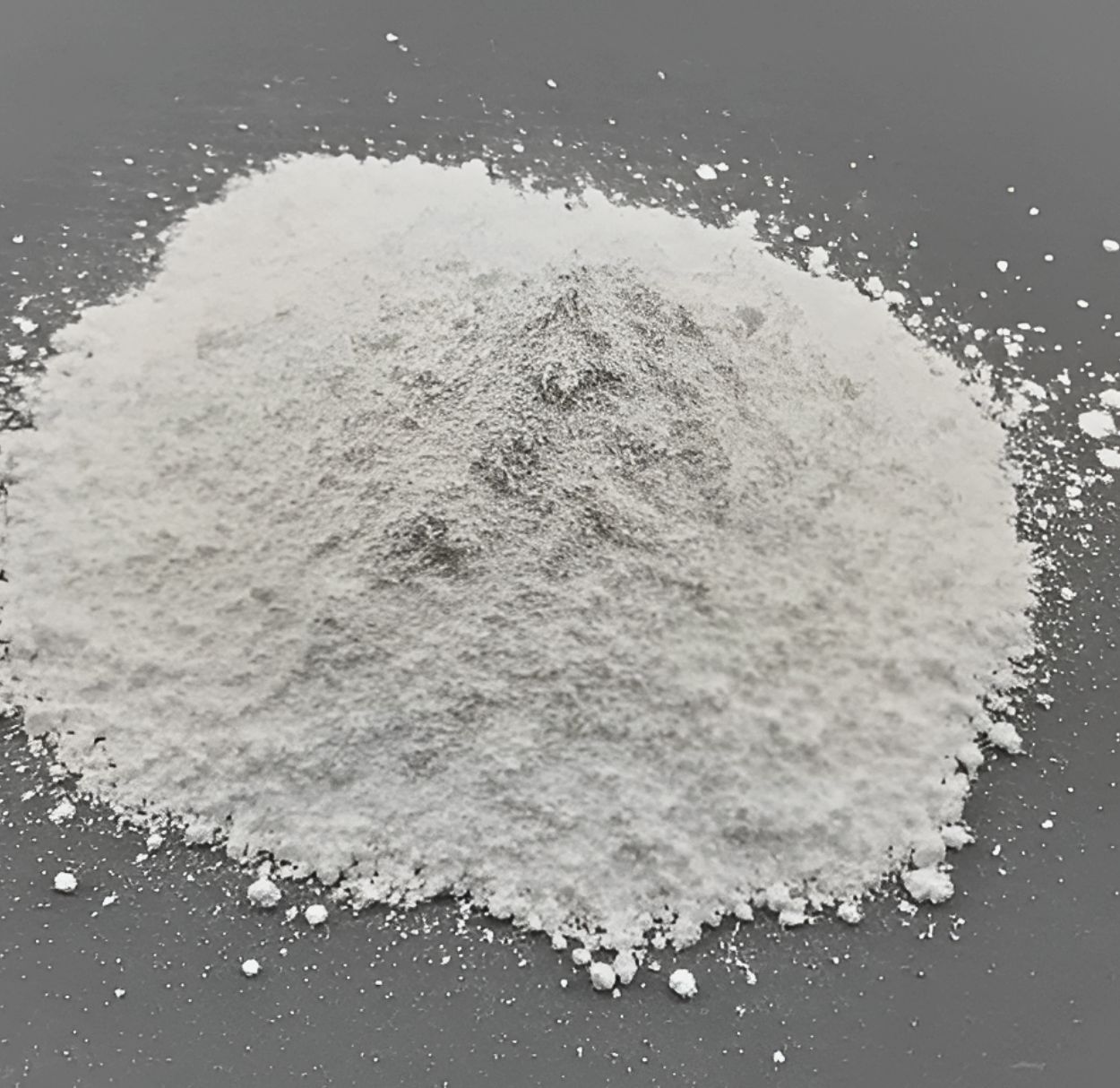
LEAD STERATES
Lead stearates are heavy-duty metallic stearates primarily used as high-performance heat stabilizers in PVC applications. It provides exceptional long-term thermal stability to PVC compounds, making it ideal for applications requiring sustained heat exposure. It also functions as an effective lubricant, improving melt flow and preventing adhesion to the processing.
APPLICATIONS
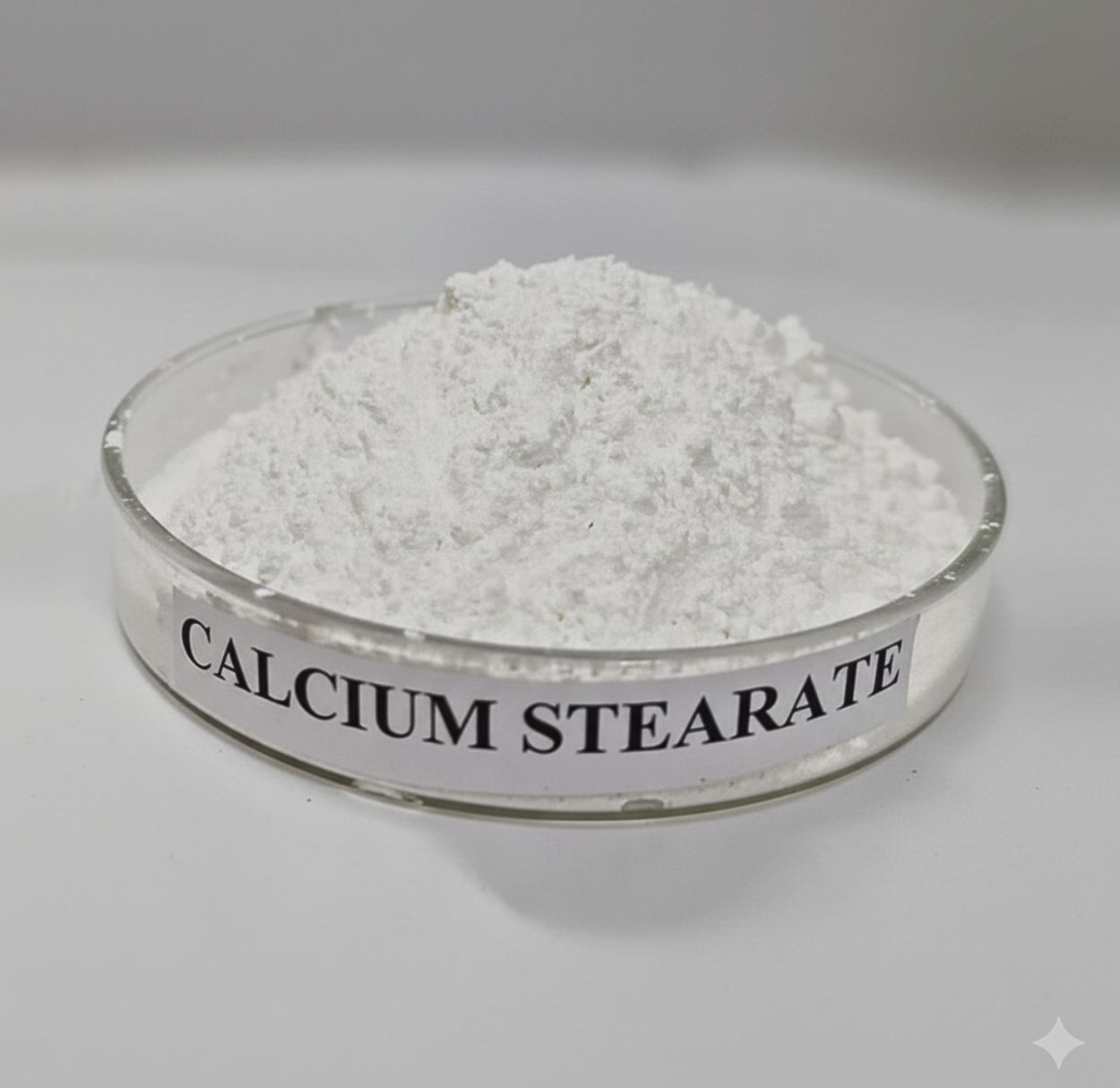
CALCIUM STERATE
Calcium stearate is a versatile white powder known for its exceptional lubricating properties and thermal stability. It functions as an effective acid scavenger and internal lubricant for PVC processing, improving flow without causing plateout on equipment. It also acts as a water repellent and dust repellent agent.
APPLICATIONS
- RIGID AND FLEXIBLE PVC
- FOOD PACKAGING
- PHARMACEUTICALS
ZINC STERATE
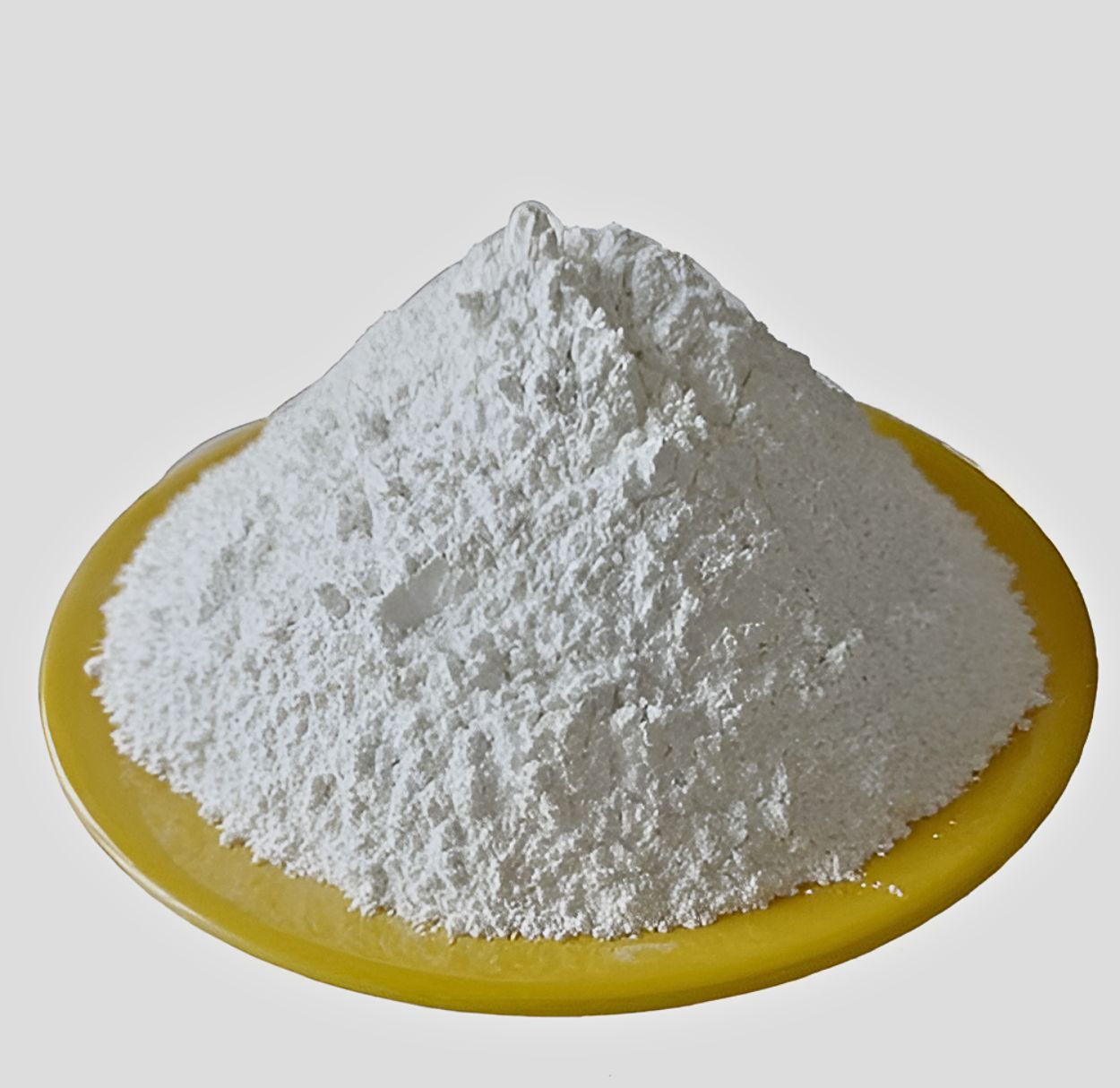
It is a fine white powder widely used as an internal and external lubricant in the rubber and plastic industries. It promotes an easy release of finished products from molds and prevents sticking during formulation. It acts as a cost-effective stabilizer, often used in combination with calcium stearate for synthetic performance.