
Flame Retardants
Compared to other plastics like PP, PE, PC, and ABS, polyvinyl chloride (PVC) resin inherently exhibits flame retardancy, but its performance is significantly affected by additives, especially plasticizers and lubricants.
These additives chemically or physically suppress flame spread, reduce smoke and toxic gases emissions, enhancing safety and environmental compliance
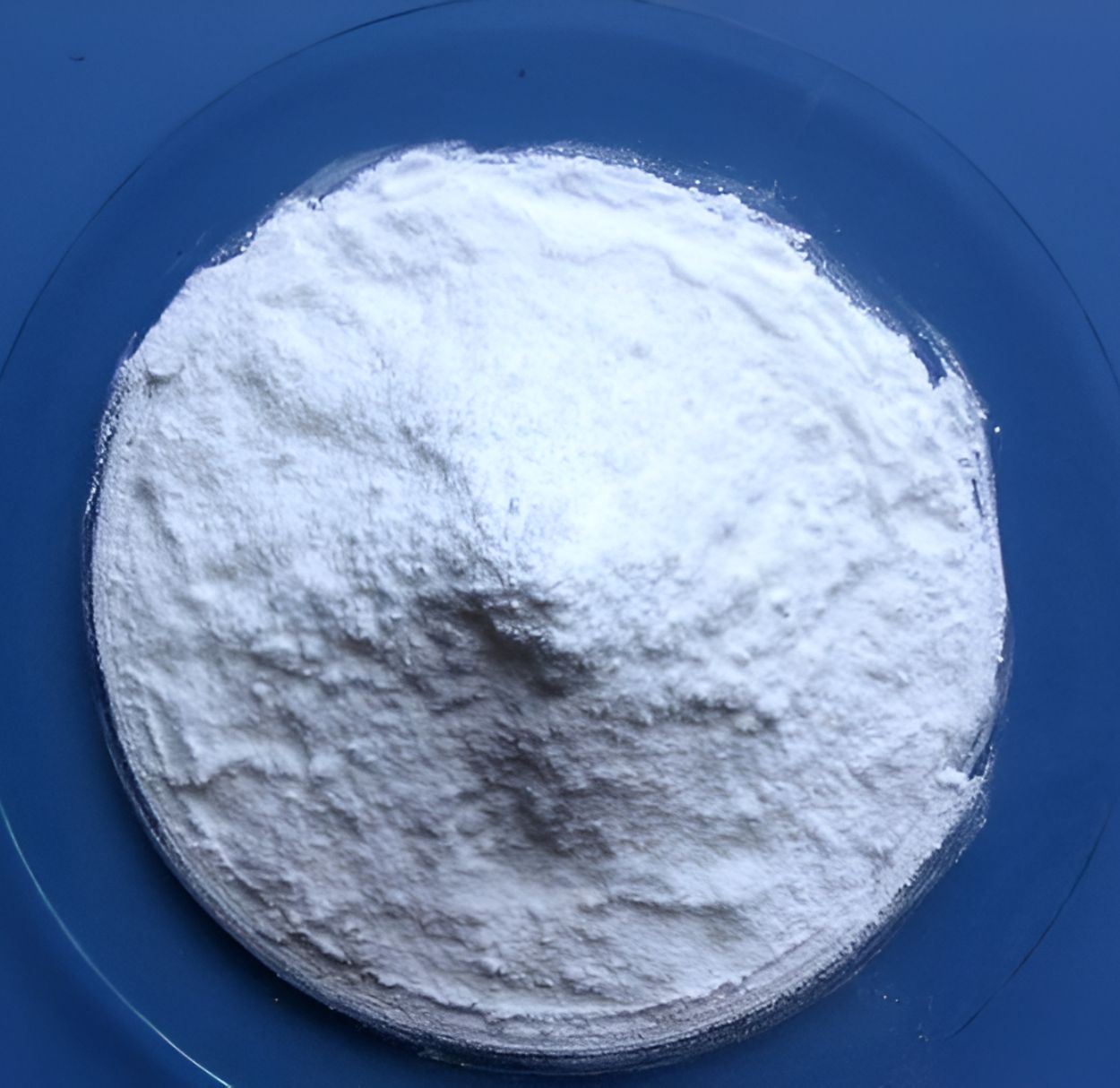
ALUMINUM HYDROXIDE
It is a versatile, non-toxic flame retardant and smoke suppressant widely used in the plastic & rubber industry. Often referred to as ATH (aluminum trihydrate), it functions through an endothermic decomposition mechanism. When exposed to high temperature or fire, it releases water vapors. This chemical reaction cools the material, dilutes combustible gases, and forms a protective char layer, effectively slowing flame spread and reducing toxic smoke emission.
APPLICATIONS
- WIRE & CABLE JACKETING
- INCORPORATED INTO WALL PANNELS
- THERMOSET PLASTICS